Somatic Trauma Resolution
Support for trauma, attachment wounds, chronic stress, and patterns that keep you from feeling fully present in your life.
Annie Bloom, PhD, SEP, TTP, SLP
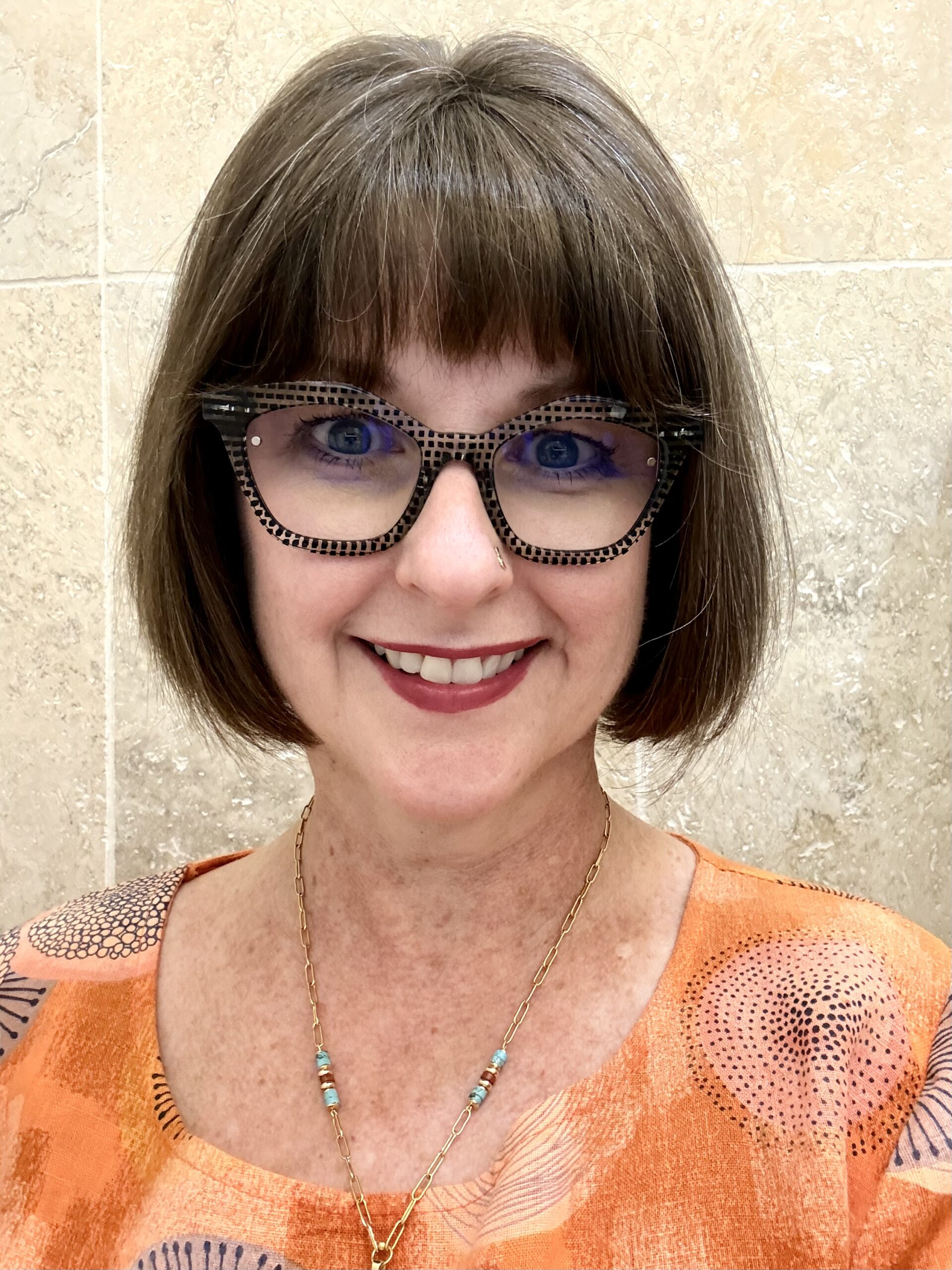
Annie has a remarkable ability to create a safe and nurturing environment where my nervous system can finally settle. With each session, I feel evidence that I am healing.
You may recognize yourself here
You’ve spent years trying to understand yourself.
Perhaps you grew up with parents who were overwhelmed, unavailable, unpredictable, critical, or unable to give you the kind of safety and attunement you needed. You may have learned early to take care of others, stay small, work hard, keep the peace, or blame yourself when something went wrong.

There isn’t one single event you can point to.
You may have experienced trauma later in life — an accident, illness, medical treatment, assault, loss, relationship rupture, or another experience that overwhelmed your ability to cope. Or there may be no single event you can point to, only a longstanding sense that it is difficult to settle, trust, feel safe in relationship, or feel fully at home in your body.
You’ve done meaningful work in therapy.
You understand your history. You can recognize your patterns and perhaps even explain why they are there.
And yet your body still responds as though the past is happening now.
You experience anxiety, shutdown, hypervigilance, disconnection, chronic tension, overwhelm, or reactions that seem to happen before you have a chance to choose differently.
Easily overwhelmed
Hypervigilance, always “on alert”
Anxiety or activation
Difficulty settling or sleeping
Shutdown or numbness
Dissociation
Feeling disconnected from yourself or others
Reactions that happen before you can choose differently
Chronic tension or bracing
Difficulty sensing what you need
Moving between activation and collapse
Feeling unsafe even when you know you’re safe
You can understand your history and still find yourself caught in familiar responses.
Trauma isn’t always one event
Sometimes trauma happens in a moment.
Some trauma comes from experiences that overwhelm us in a particular moment — an accident, assault, medical procedure, sudden loss, frightening event, or other experience that was simply too much, too fast, or too soon.
Sometimes trauma develops over time.
When the people we depended on were overwhelmed, unavailable, unpredictable, frightening, critical, or unable to respond consistently to our needs, we adapted. We learned ways of staying connected, staying safe, or making ourselves more manageable within the relationships we had.
This is often described as developmental trauma, complex trauma, or C-PTSD. The patterns can become woven into how we experience ourselves, our bodies, and our relationships — including what we expect from other people and what we believe we have to do in order to belong.
Many people have experienced both developmental and shock trauma, and the effects can overlap.
When protection becomes a pattern
The ways we adapt are often remarkably intelligent.
When experiences are overwhelming or unsafe, our nervous system finds ways to help us through what’s happening. We may become watchful, disconnect from our feelings, or shut down when things become too much.
The difficulty comes when those responses continue automatically.
What once helped us get through something can become a familiar way of responding, even when it is no longer needed in the same way. You may find yourself going blank in conflict, struggling to rest, feeling responsible for everyone around you, or losing touch with what you want or need.
Protection can take many forms.

Anticipating others’ needs
People-pleasing
Feeling responsible for others
Perfectionism
Needing to stay in control
Difficulty with boundaries
Avoiding conflict or staying small
Pushing through exhaustion
Shame or self-blame
These patterns are not simply habits you should be able to think your way out of.
They involve the body, the nervous system, emotion, relationship, and the expectations we have learned about ourselves and other people. Somatic work gives us a way to meet those patterns as they are happening, with enough time and support for something different to become possible.
What becomes possible
More choice in the moment
You may be better able to stay present when something is difficult, recover more easily after stress, recognize what you need, and respond with greater choice rather than automatically falling into familiar reactions.
More connection and capacity
Over time, there may be more room for connection — to your body, your emotions, other people, and your own sense of agency — along with more capacity for rest, curiosity, play, pleasure, boundaries, and relationship.
More flexibility, not perfection
The goal is not to eliminate every difficult feeling or response. It is to help your system develop more range and more access to the parts of life that may have felt difficult to reach.
Annie’s somatic approach to trauma has been life-changing for me. She is one of the most impactful people I have ever worked with, and she creates a deeply safe, supportive, and accepting environment.
What working together looks like
Collaborative and paced with care
You don’t need to tell your story in detail or repeatedly revisit traumatic experiences. We can work with what is showing up now — in sensation, movement, emotion, impulses, boundaries, and relationship — while paying attention to what helps you stay connected to yourself.
Nothing you need to perform or do correctly.
A session may include conversation, noticing sensation or movement, orienting to your surroundings, exploring an impulse, or slowing something down.
I found my sessions with Annie extremely helpful in very tangible ways. I am mildly claustrophobic, and after only a few sessions with Annie, I became trapped in my elevator for about 25 minutes. Before our work together, that would have been a very different experience. Instead, I was able to get through it without becoming overwhelmed. Annie helped me feel calmer in general — which is no small feat.
Ready to begin?
If something you’ve read here feels familiar, let’s connect. We can talk about what you’re experiencing, what you’re hoping for, and whether working together feels like a good fit.
60 minutes · $200